Importance of Self-Compassion
A piece written by Maitri, a Steward member and Sustaining member teacher in the Mandala of Light community
Self-compassion is often misunderstood. People sometimes think it means being soft on yourself or constantly indulging. But real self-compassion, what the Buddha calls maitri, is much deeper. How we treat ourselves is a critical part of letting go of ego versus reinforcing the ego.
You may have heard that the translation of maitri is "loving kindness", however it is a bit more than just being loving and just being kind. The way the Buddha describes it, as well as the direct translation, is "unconditional friendliness". So we can think of self-compassion as having unconditional friendliness towards ourselves.
Without this friendliness towards ourselves in daily life, we can burn out, become resentful, or become overly self-critical. When we build a habit of self-compassion, we create the conditions for long-term resilience and true happiness.
The Buddha teaches: We are what we think. All that we are arises with our thoughts. With our thoughts, we make the world. When we practice self-compassion, we begin to create a world that is kinder and more balanced from the inside out.
What Is This Friendliness We’re Talking About?
This friendliness towards ourselves is just like when someone is friendly or helpful to you in a truly selfless way, expecting nothing in return.
For example, a previous neighbor of mine used to leave homemade food at my door. The first time it happened, I didn’t even know who did it. I heard a knock, went to the door, and no one was to be found, only a bag with two warm donuts sitting on the doormat. They didn't need acknowledgement, they just wanted to share some treats.
Another time, a friend sent a quick message just to say, “Thinking of you” during a tough week. They didn’t need anything from me, they just wanted to offer support.
Even little things like someone holding the door open when your hands are full can brighten your day unexpectedly.
Take a moment and think of a time when someone was kind or helpful to you. There's this feeling you get when you think "aw, that was so nice", or "wow, that really helped me." Remember how that felt. It probably felt good, happy, and warm. Now close your eyes and bring that friendliness to the front of your mind and sit in that energy for a few moments. That is the friendliness that you should have for yourself.
Transforming Negativity into Positivity
We can also use self-compassion to transform the negative thoughts or actions we have toward ourselves into positive, supportive ones.
For many years, I struggled with how I managed my time and work-life balance. I was constantly telling myself I needed to be “on” all the time. If I took a break or slowed down, I felt guilty and lazy. I often pushed myself to the brink of burnout and worked long hours even when exhausted.
This constant pressure wore me down mentally and physically. I would swing between overworking and then crashing completely, feeling frustrated with myself either way. Eventually, I realized this pattern wasn’t sustainable and wasn’t serving me.
As part of my practice, I started to have more self-compassion toward myself. Instead of harsh self-criticism, I started reminding myself that rest is necessary and productivity isn’t the only measure of worth. I learned to acknowledge when I truly needed to break and recharge, and I started to celebrate progress without perfection.
Over time, this unconditional friendliness helped me find balance. I became more consistent in my work without burning out. I stopped avoiding rest and feeling guilty for it. Being harsh on myself never got me closer to my goals, but being kinder to myself opened new paths I hadn’t seen before.
Now, I invite you to think of a time when you were unkind to yourself. Maybe you criticized your appearance, your mistakes, or how you handled a situation. Bring that moment clearly to mind.
With that in your awareness, ask yourself: how might you gently reframe that self-judgment? Perhaps you say, "I love how my body supports me," or “I am doing the best I can, and that is enough,” or “Everyone makes mistakes, and I’m learning and growing.”
Take a moment now to find your own friendly replacement thought.

Self-Compassion Includes Tough Love
Sometimes, the kindness we need isn’t soft. Sometimes it looks like discipline, structure, or what people call “tough love.”
Many of us have experienced tough love growing up, from people like our parents or teachers. For example, I could only play outside after I finished my homework. I wasn't allowed to sit next to the kids at school who always got me in trouble. I couldn't eat candy for dinner no matter how much I begged.
All of this was for my benefit. They weren’t trying to punish me, they were trying to help me in the long run. That’s what tough love is, it’s still love. It’s still kindness. We can offer this same kind of tough love to ourselves.
For example, ask yourself:
Is putting off responding to that difficult email really self-care, or is it avoidance?
Is scrolling on your phone for hours really helping you relax, or is it draining you?
Is giving in to every urge really helping you grow?
Even though this might feel hard in the short term, you are doing yourself a great service in the long term.
Self-Compassion Is Not Self-Sacrifice
Self-compassion isn’t about being selfish, but it also isn’t about abandoning yourself to please others.
Think about the airplane safety announcement: Put on your own oxygen mask first before helping others. You can’t really support others if you’re constantly depleted. Being a doormat, people-pleasing, saying yes when you really want to say no, that’s not self-compassion. That’s likely just habit and social conditioning.
It’s important to note that self-compassion isn’t about saying no to everything out of pride or ego. It’s about learning to recognize when a situation genuinely doesn’t serve you, when you’re out of balance, or when you’re giving out of obligation rather than genuine care.
An apple tree can only give apples and shade if it is full grown, healthy, and strong. Until then, it needs to use resources like water and sunlight for itself so it can grow, otherwise it has nothing to give. Self-compassion is like that, taking care of yourself so you have something real to give.
If saying no feels uncomfortable at first, that's ok! Here are some simple examples to get you started:
Your friend wants you to watch their pets while they are on vacation but it would be stressful for you? It’s ok to say no.
A coworker invites you to join a weekend project that you’re not actually interested in? You can politely decline.
You get a text saying you’ve won a free vacation, but they’re asking for $300 upfront? Just block the number. 😉
Start small. It gets easier over time.
Closing
Self-compassion is not just a nice idea, it’s a powerful and necessary practice. It allows us to grow, heal, and show up for our lives more fully. It means offering ourselves kindness when we fall short, and also can give us the courage to face difficulty when we know it’s time to grow. Sometimes that kindness is soft. Sometimes it’s firm. But both are forms of love.
When we make sure to have unconditional friendliness towards ourselves first, like the apple tree taking in sunlight and water so it can one day offer fruit, we create the conditions to genuinely support others too. Not from depletion or obligation, but because we are full and whole.
Self-compassion is strength without harshness as well as gentleness without weakness. And it is always available, made possible by the Buddha nature within all of us.
— Maitri
Photo credits:
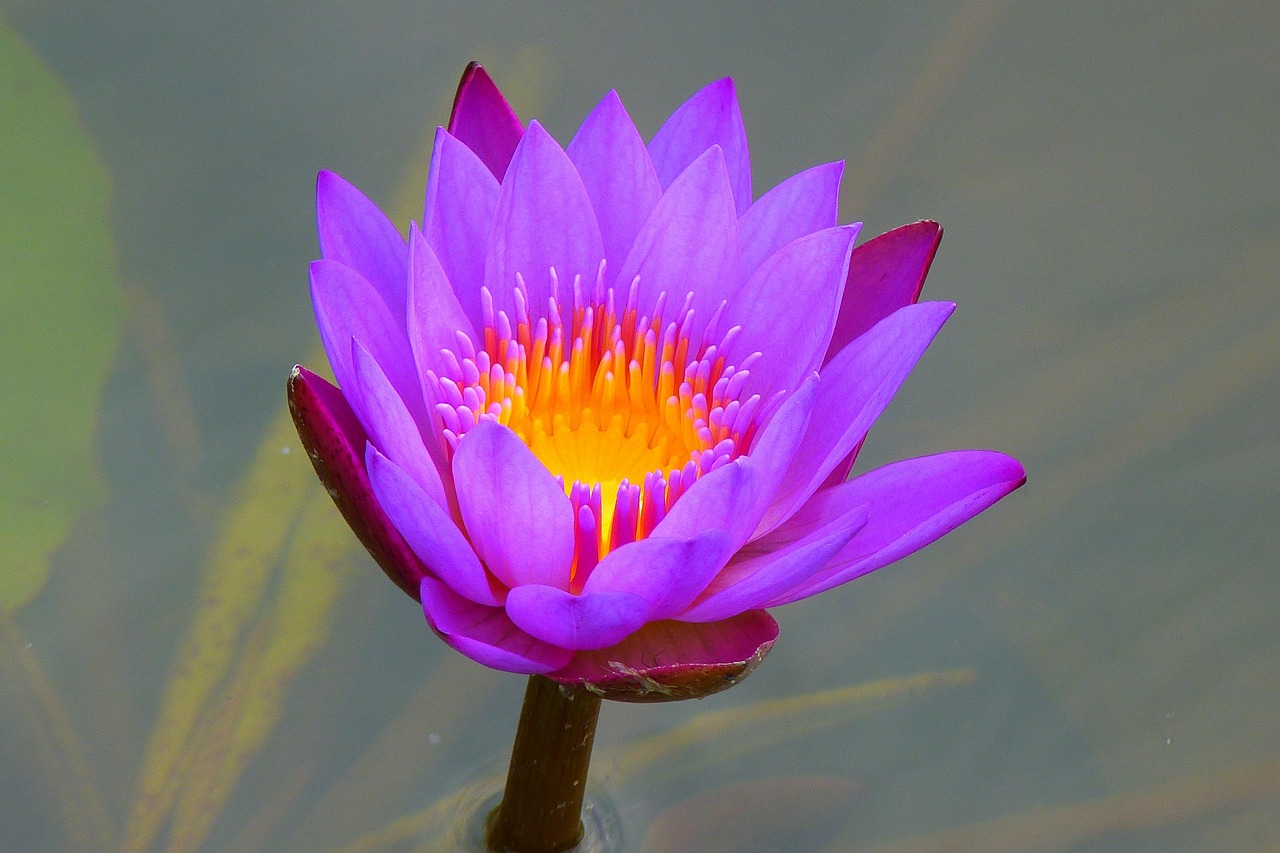
Water lily flower: Peter Kraayvanger (pixabay.com)
Yellow and White Butterfly on Green Leaf: Norja Vanderelst (pexels.com)