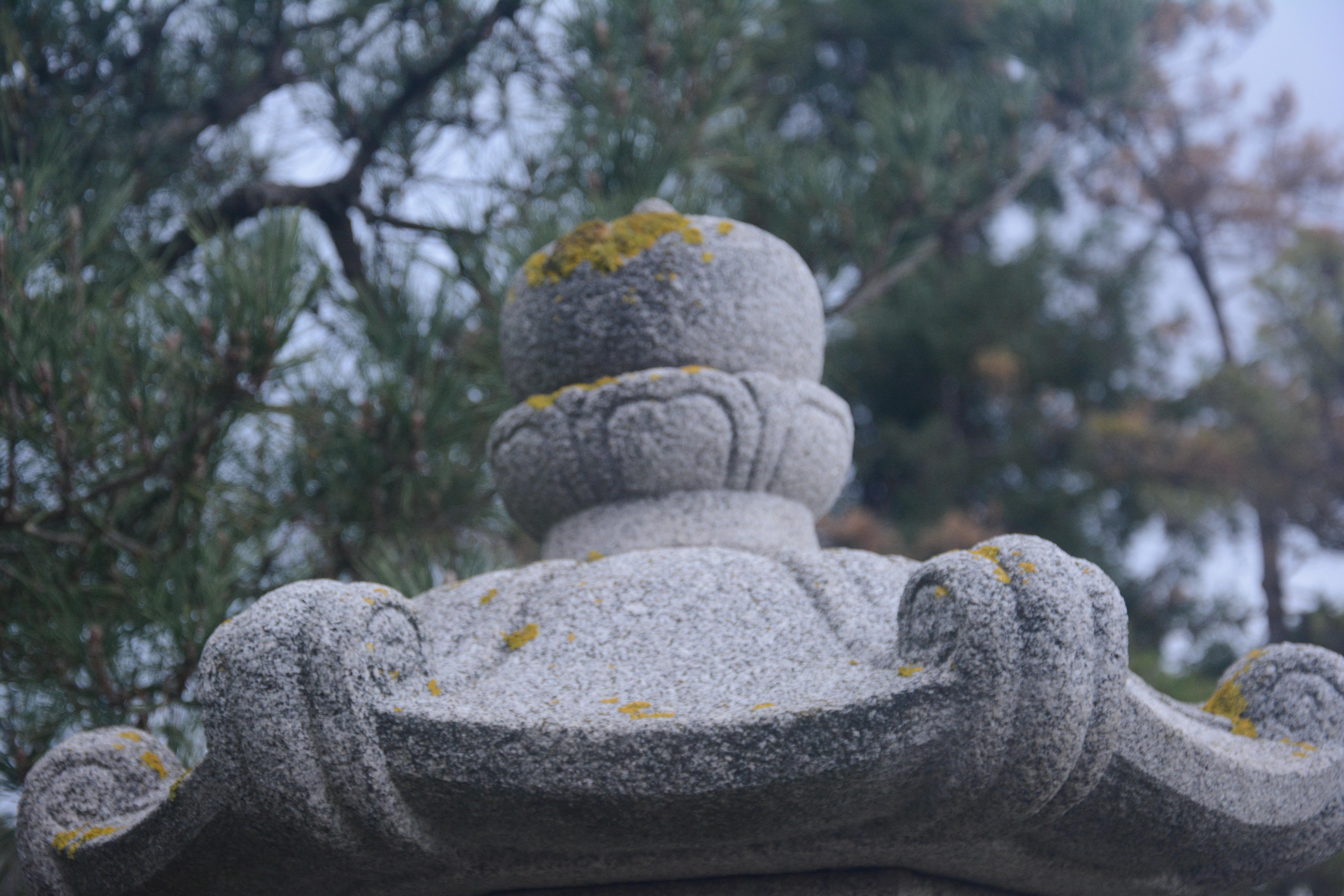
Kansha Suru: The Powerful Practice of Gratitude
"Thank you is a word of miracles”. This phrase beautifully captures the spirit of kansha suru, a Japanese term that means "to be grateful" or "to give thanks." But kansha suru is far more than just a polite expression. It is a quiet, transformative way of living.
In Japanese, kansha (感謝) means gratitude or appreciation, and suru (する) is the verb "to do." So kansha suru literally means "to do gratitude, to practice appreciation as an active, living art.
🌿 The Deeper Meaning: A Way of Life
In Zen Buddhism, Shintoism, and traditional Japanese arts like the tea ceremony, kansha suru is not just about being thankful when things go well. It is a mindset of reverence, presence, and humility. To practice kansha suru is to bow to the whole of life, the beauty and the heartbreak, the sunrise and the storm.
Gratitude doesn’t come because life is perfect, it comes despite the imperfection. And in that, a quiet awakening begins.
Kansha suru means opening the heart through grace. Even toward painful experiences. Even toward the mundane. It is a humble acknowledgment that your life is supported by forces seen and unseen. That so many people, creatures, and circumstances have conspired to allow this moment. This breath. To exist.
✨ Why Is It Powerful?
Kansha suru is powerful because it shifts the entire emotional and energetic framework of your life:
Instead of focusing on what's missing, you begin to notice what's already present
Instead of feeling isolated, you feel deeply connected to others and to the web of life
It humbles the spirit and teaches you to be emotionally resilient, because even when life hurts, there's something to honor: a breath, a lesson, a small kindness
Practicing kansha suru gently humbles the spirit. It brings reverence to the ordinary. It opens a portal to joy not through perfection, but through presence.
🧘♀️ How to Practice Kansha Suru in Daily Life
Here are a few ways to invite this gratitude into your everyday:
Daily Gratitude Rituals - Each morning or evening, name or write down three things you're grateful for. These can be simple: "morning meditation," "cuddling with my cat," "a beautiful moment spent with someone you love." Try this practice for 30 days and see how your heart begins to change.
Silent Kansha - Before Meals Before eating, take a breath and say a quiet "thank you", not just for the food, but for the earth, the seed, the rain, the hands that harvested and prepared it.
Gratitude Toward Challenges - Ask yourself: "What did this difficulty teach me? What hidden strength did I find in this experience?" With time, you may find yourself bowing not only to the joy but also to the hardship.
Small Gestures of Thanks - In Japanese culture, a small bow can express deep appreciation. You might place your hand on your heart, write a brief note, or offer a soft smile. For me, I often place my hand over my heart, where all my ever-flowing gratitude comes from.
Kansha suru invites us to live as if each breath were a blessing. It helps us stay grounded, even when the world feels uncertain. And most importantly, it reminds us that gratitude is not a feeling we wait for, it is a practice we do, daily, gently, fully.
Let every thank you become a quiet miracle ✨
Photo credit: Satyaloka